
TMJ INSIDER

This Week’s Developments
The pace of global events can move quickly, and throughout the week we share daily updates and breaking developments across our platforms.
But in this weekly newsletter, we step back and bring the full picture together.
Each week, we recap the most important developments, connecting the dots and highlighting the stories that shaped the past seven days.
This week, much of the world’s attention has been on the rapid escalation between Israel, the United States, and Iran, after Israel and the U.S. launched preemptive strikes inside Iran, attacking the sovereignty of the country and triggering a wave of retaliation across the region.
It is now day 7 of the war, and the past week has seen a series of strikes, counterattacks, and rising fears of a wider regional conflict.
Here’s a clear breakdown of the key developments so far.
The war began with Operation Epic Fury
The United States began Operation Epic Fury with a series of strikes on February 28, assassinating Iran’s Supreme Leader Ayatollah Ali Khamenei in his home in Tehran.

Israel joined the assault, killing dozens of top Iranian military officials.
The first day of the U.S.-Israeli attack also saw the targeting of an Iranian all-girls elementary school in Minab city, which killed nearly 180 students.
Civillian casualties across Iran
Iranian state media says the death toll from U.S.-Israeli attacks has now reached more than 1,300 people, with thousands wounded.
Over the past week, the U.S. has struck nearly 2,000 targets across Iran, impacting more than 130 cities.
Strikes have included:
2,000-pound bombs dropped on densely populated areas in Tehran
Targeting hospitals, schools, and news agency complexes
Damage to the historic Golestan Palace, a UNESCO World Heritage Site
Iranian authorities say the strikes have also damaged more than 3,000 homes across the country.
Among the sites hit in recent attacks:
An emergency medical base near Shiraz, killing medical personnel
A children’s playground, where 20 people were killed and 30 injured, according to Iran’s Fars News.
Military infrastructure targeted
Other sites targeted include:
IRGC command facilities
Air defense systems
Drone sites

More than 20 Iranian naval vessels have reportedly been sunk or damaged.
The U.S. also torpedoed an Iranian ship in international waters in the Indian Ocean, killing 87 people.
According to US Central Command commander Admiral Brad Cooper, American forces have struck nearly 200 targets deep inside Iran in the past 72 hours alone.
Iran retaliates across the region
In response to the U.S. and Israel’s preemptive attack, Iran began retaliating almost immediately.
Iran has launched hundreds of ballistic missiles and drones, striking:
Targets in Tel Aviv
U.S. military installations
Energy infrastructure across the region
Countries impacted include:
Qatar
Jordan
Kuwait
Saudi Arabia
United Arab Emirates

Late Thursday into Friday, a new wave of drones and missiles targeted Tel Aviv.
Iran has also targeted oil facilities across the Persian Gulf, including:
Saudi Arabia’s Ras Tanura refinery
Qatar’s Ras Laffan LNG complex
Facilities in Bahrain, Kuwait, and the UAE
These strikes have disrupted production and intensified global energy market concerns.
The Lebanon front expands
Israel has continued its bombardment of Lebanon, heavily striking areas across:

Explosions were heard across Beirut overnight into early Friday.
At least 217 people have now been killed in Lebanon since the latest conflict began, according to the Lebanese health ministry.
Hezbollah has since issued evacuation orders for Israeli settlements within 5 kilometers of the Lebanese border as it continues its operations against Israel.
Israel has also expanded its ground incursion inside Lebanon, while mass evacuation orders have displaced thousands of families.
Conflicting casualty numbers
The U.S. government says six American service members have been killed by Iranian drones so far, including five army reservists in Kuwait.
Iranian officials claim the number is far higher, saying over 600 U.S. soldiers have been killed.
U.S. military losses
Estimates say the U.S. has lost nearly $4 billion within the first four days of the war.
Reported losses include:
THAAD radar systems
AN/FPS-132 early warning radar at Al Udeid Air Base in Qatar
Satellite communication terminals
F-15E Strike Eagles
MQ-9 Reaper drones
So what’s the global impact?

Strait of Hormuz Closed
Iran has declared the Strait of Hormuz closed, threatening to set fire to any vessel attempting to pass.
The waterway normally carries around 20% of global oil supplies.
Shipping has now slowed to a virtual standstill, with no oil shipments currently passing through the strait.
Major shipping companies are already pulling back.
Maersk became the second global shipping company to suspend operations in the Middle East.
Oil markets have reacted sharply:
U.S. oil prices have surged 31% this week
Brent crude has risen 24%
Analysts warn prices could continue to rise if the closure persists.
Political Escalation
As pressure mounts, President Trump has demanded Iran’s “unconditional surrender.”
Iran has vowed to continue defending the country.
Iranian Foreign Minister Abbas Araghchi said Iran’s military is “waiting” for the United States to send ground troops.

He added that Iran is not requesting a ceasefire and does not see a reason to negotiate with the United States after it attacked Iran in the middle of two ongoing negotiations.
What to watch next:
Earlier this week, the U.S. Senate voted 53–47 against requiring the Trump administration to obtain Congressional approval to continue the war with Iran.
For now, this means U.S. strikes will continue.
Military analysts warn that the conflict could quickly turn into a prolonged war of attrition, with the risk of a wider regional escalation.
Below are some of our latest videos, interviews, and articles from the past few days that are worth your time.
Must-Watch This Week
Iran Supreme Leader Assassinated: Prof. Marandi on What's Next
Professor Mohammad Marandi joins TMJ News for an inside look at the aftermath of the U.S. and Israel’s assassination of Iran’s Supreme Leader Ayatollah Khamenei. As tensions surge and global consequences loom, he discusses the public mood inside Iran, whether the latest strike will fracture or unite the people, and what comes next in this rapidly unfolding crisis.
"This War will End on Iran’s Terms" - Former U.S. Army Officer
David Pyne, former U.S. Army officer and national security expert, joins TMJ News for an analysis of the U.S. and Israel’s war on Iran as tensions escalate toward a prolonged war. He warns that Iran is pursuing a war of attrition that could exhaust U.S. missile stockpiles in days, raising serious questions about Washington’s strategy and its ability to sustain yet another war.
Khamenei Fought the Epstein Billionaires: Martyred in Ramadan, His Legacy Lives On
What Sunni Muslims Were Never Told About Ayatollah Khamenei
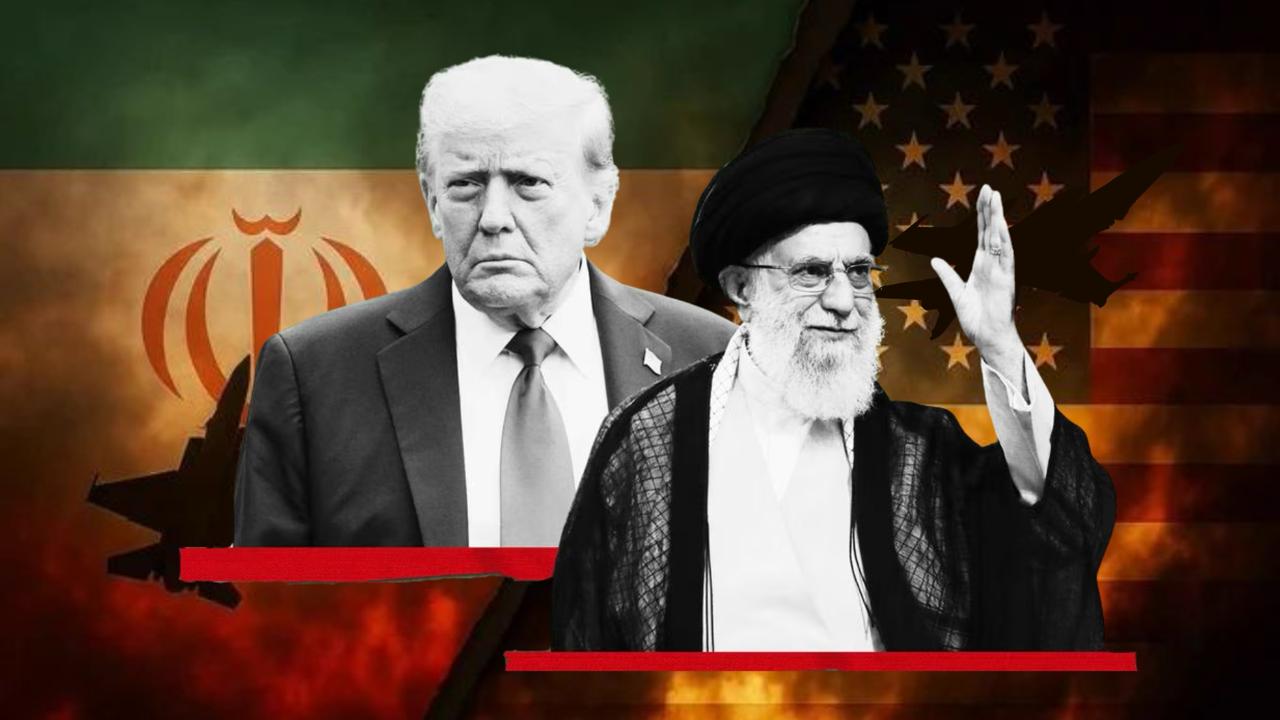
As the war continues to unfold, we’ll keep sharing daily updates across our platforms, while using this newsletter each week to step back and recap the developments that shaped the week.
Thank you for reading and for being part of the TMJ community.
ASK TMJ
Your Chance to Shape the Narrative.
Ask TMJ is your chance to engage directly with TMJ News. Submit your questions about current events, global issues, or stories you want covered.
Each week, we’ll select and answer questions in TMJ Insider, providing insights through a fearless, faith-based lens. Your voice matters — let’s explore the truth together.
Until next time,

Uncover. Resist. Empower. Journalism That Matters.
